
“I was scared before, but this training helped change our limiting beliefs. We used to think bees were wild and could not be kept. Now we know women can do anything.”
— Sichana Juma & Serri, Uzi Island, Zanzibar
In the southern tip of Zanzibar lies a small patch of land that is an island during high tide and a part of the main land during low tide. The sparsely populated island is largely undeveloped according to official population reports, one of which says, “it contains few occupants who temporarily dwell their fishing.”
These reports don’t account for the vibrant communities there sustained by Barefoot College International Solar Engineers, Bee keepers, sustainable farmers and now, seaweed entrepreneurs.
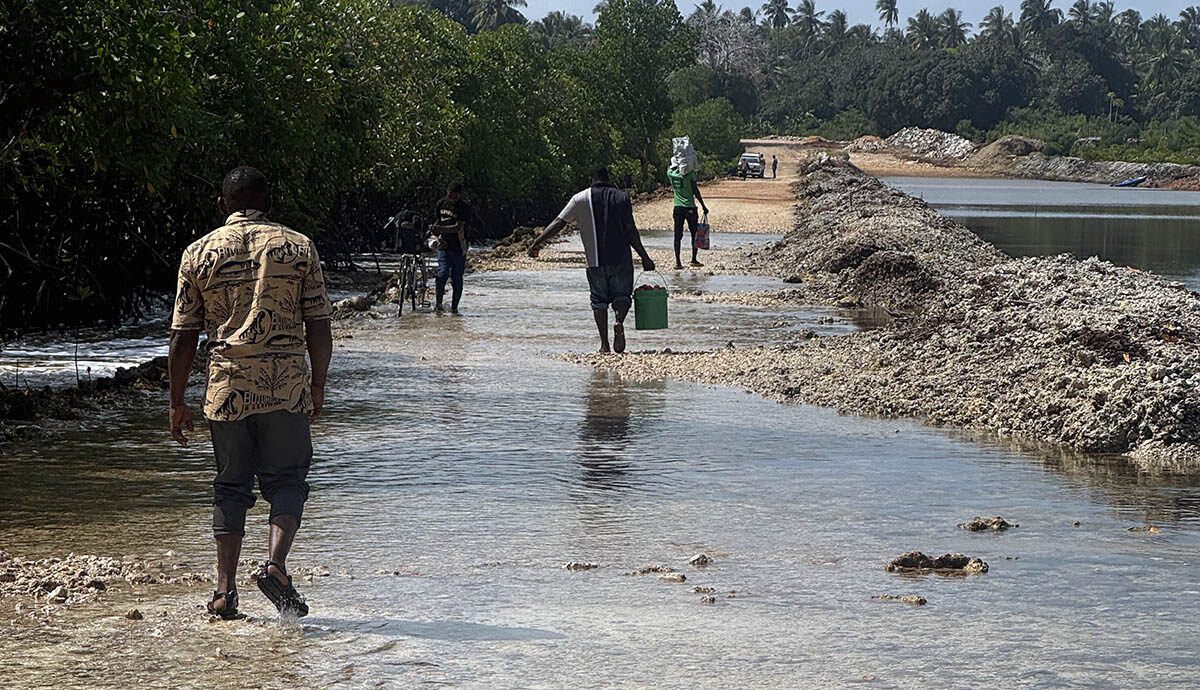
Visiting Uzi Island goes with the tide
Uzi, which means “thread” describes the connection to the mainland on a small road that runs through a mangrove forest. During high tide the road is covered. People needing to arrive to the villages or leave must time their arrival and departure with the tides as passing during high tide is impossible.
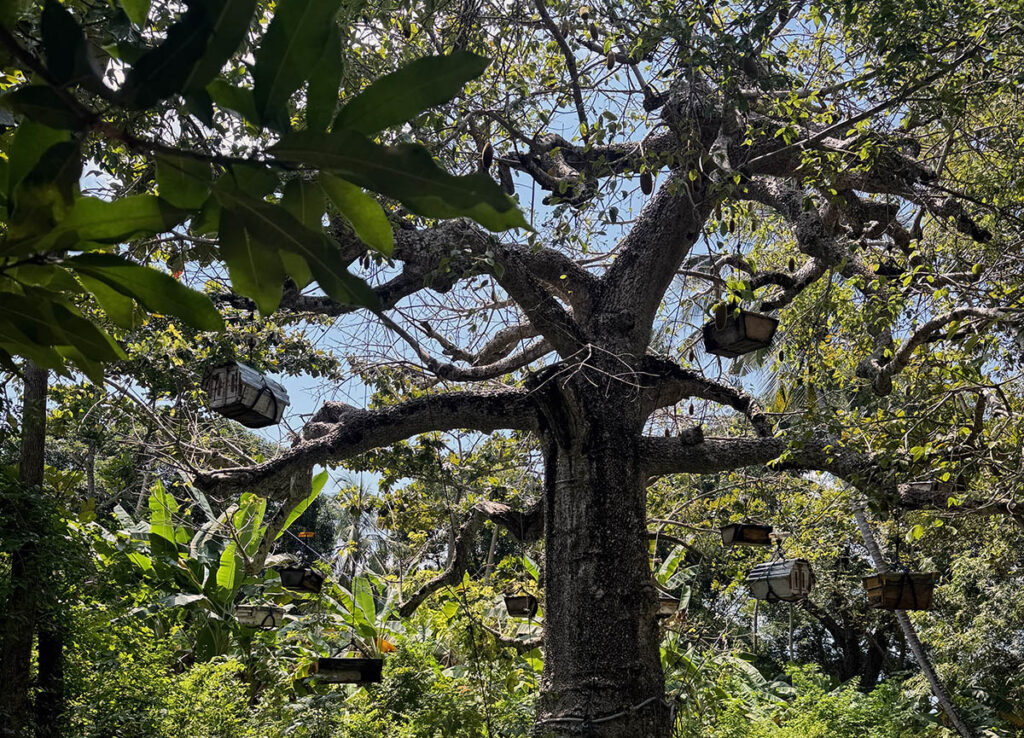
The mangrove forest is a critical source of new economic development for Barefoot College International graduates who create mangrove honey, a signature product offered by B. Barefoot in Zanzibar stores.
This honey is also critical to Uzi’s future, by protecting the trees, they protects the bees, which provides for economic opportunities for those who live (not temporarily) on Uzi Island. The forest, of which more than half of it has been deforested in recent years, represents a significant environmental threat to this area.
These women even initiated a petition to protect forests and mangroves to support bee habitats, leading to increased vegetation, halting deforestation and greater adoption of permaculture and regenerative agriculture
A village that was solar electrified by BCI graduates is also home to dozens of bee hives and a regenerative farm that the women work together to produce the harvest. This collaborative community effort is one of BCI’s most successful.
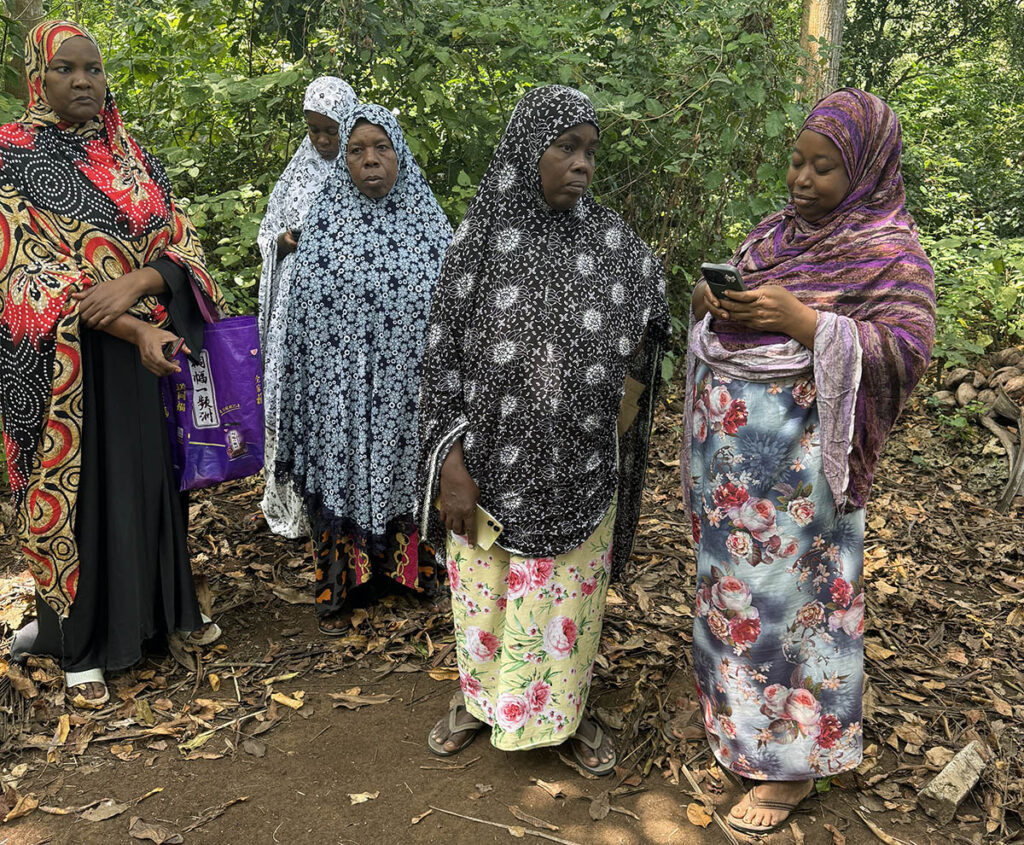
“They are getting better money now and have expanded their hives,” said Brenda Geofrey, Country Director for BCI-Zanibar. “They are even making their own hives now”
We are very happy and proud to be working,” said BCI graduate Hakika Haji Hassan. :We have learned to constantly inspect the hives and make sure they can deal with any problems before the crop is ruined. Many others don’t pay as close attention to it as we do, but we are making better money now because we do.
Expansion of mangrove honey
Because the mangrove honey is unique to this specific region their honey is unique and valued, Geofrey said, as is their position in the community. The whole community knows and respects them.
Mwanaisha is one of these women working cooperatively on both farming and beekeeping. The other woman joke that she makes more money than any of them, a true entrepreneur.
“Now when people in the community need honey, it’s like a medicine, and it makes me happy that they want my honey,” Mwanaisha said.
It wasn’t easy to learn. “In the beginning we got stung every day— now we are more used to it and with the clothes we don’t get stung as much.”
Mwanaisha said she and the other women used the money they made from the honey and bought a mangrove tree. They now use the wood from the tree to build more hives.
“Imagine from one tree you buy all the materials to expand the harvest,” Brenda Geofrey said. “They are so good we want to send them to regions that aren’t doing as well.”
The village has 100 homes in total, each solar electrified by Barefoot College International Solar Engineers.
“These women are icons of Barefoot College International.” a government official said during a recent visit.
Brenda has a different name for them. “They are like pioneers and they are doing the mangrove honey very well.”
Hassan Faraj Ali, Beekeeping Program Manager at Barefoot College Zanzibar said, “I see sustainable beekeeping as a vital link between people and nature. It equips women and youth with the skills to create livelihoods while nurturing environmental care and protecting biodiversity. Through the power of bees, we are building income, resilience, and a lasting legacy of sustainability for generations to come’
Visiting Uzi Island has become a popular destination for all of the BCI officials.
“Every time I come out here to check on their work, I come home with all these nice fruits and vegetables. It is very good for me as the teacher.” said Eliah Philbert Msuha, Beekeeping and Regenerative agriculture program officer.
They do visit very often, according to the women.
“I am very happy to be working with Barefoot, though you all come to the village very often. We have work to do! joked Mwadago Ame Hamadi.
Support this critical work today, with the Big Give #EarthRaise campaign. Double your gift today by clicking here.
Facts about BCI Beekeeping Initiative
Program Scale:
- 2,000+ women beekeepers across Tanzania and Zanzibar
- Over 70% remain active
- 50+ villages involved
Technical Details:
- Hive type: Top Bar
- 2–3 hives per woman
- Average production:
- 12 kg honey per hive per harvest
- 2 harvests per year
- 48–72 kg honey annually per woman
Training Structure:
- 10-day residential training
- Theory and practical sessions covering:
- Environmental awareness
- Bee biology and behavior
- Financial literacy
- Field practice and use of beekeeping equipment
Environmental Impact:
- Reduced deforestation
- Improved soil health
- Promotion of organic farming
- Shift in land-use practices
Future Plans:
- Value addition and commercialization
- Production of candles, cosmetics, pollen, beeswax, and honey